Compare Local Contractors for Reliable HVAC Replacement Services
Compare local contractors to define project scope, verify experience, and establish clear expectations, ensuring a smooth HVAC replacement process tailored to your property needs.
HVAC replacement projects typically involve removing an existing heating, ventilation, and air conditioning system and installing a new unit that better meets the property’s comfort and efficiency needs. This process may include selecting the appropriate size and type of equipment, preparing the installation site, and ensuring proper integration with existing ductwork or electrical systems. Understanding the scope of work helps property owners plan for any necessary modifications, such as upgrading electrical panels or addressing ventilation issues, to ensure the new system functions effectively and reliably.
Clearly defining the scope of an HVAC replacement is essential for establishing realistic expectations and avoiding misunderstandings. Property owners should work with local contractors to outline specific tasks involved, such as removing the old equipment, installing the new unit, testing system performance, and providing necessary adjustments. A detailed scope also helps in comparing bids or proposals from different service providers, enabling property owners to evaluate what services are included and identify any potential gaps or additional work that might be needed.
When comparing local contractors for HVAC replacement, property owners should consider their experience with similar projects, reputation within the community, and the clarity of their communication. It’s helpful to review the scope of work outlined by each contractor and verify that it aligns with the property’s needs. Asking for references or examples of completed work can provide insight into the quality and reliability of the service providers. Ultimately, selecting a contractor who clearly understands the project scope and can provide detailed, written expectations can contribute to a smoother replacement process and a system that performs as intended.
Compare local contractors by outlining your priorities, verifying experience, and setting clear scope expectations in writing.
- Compare Contractor Credentials - Review the experience and reputation of local contractors to ensure reliable service.
- Define Project Scope Clearly - Specify the details of the HVAC replacement to set accurate expectations.
- Verify Experience and References - Check the background and past work of service providers to assess their expertise.
- Document Agreements in Writing - Ensure all project details, responsibilities, and expectations are outlined in a formal agreement.
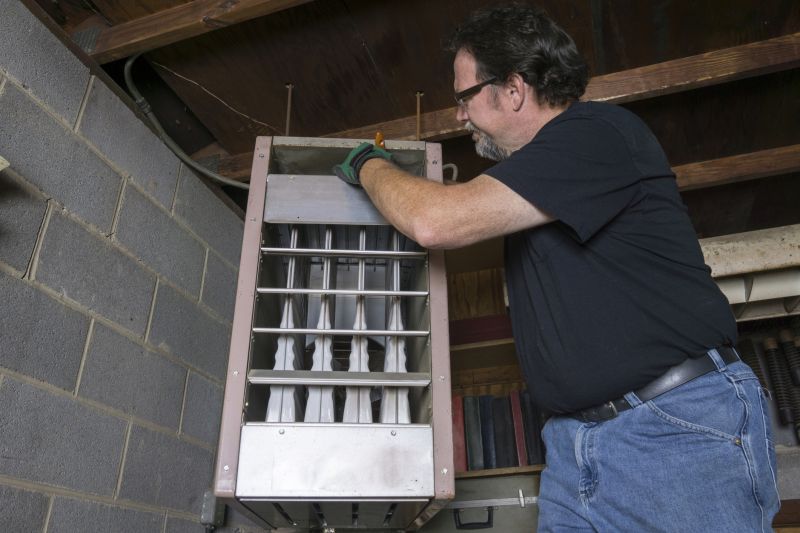
Clearly describe your HVAC replacement project to help local contractors compare options and set clear expectations.
- Verify experience and expertise of local contractors in HVAC replacement projects. - Ensure service providers have a proven track record with similar HVAC system replacements.
- Define the scope of work clearly in writing to prevent misunderstandings or scope creep. - Make sure all tasks, materials, and responsibilities are documented before work begins.
- Compare multiple local contractors to assess their approach, credentials, and service offerings. - Gathering information from different providers can help identify the most suitable option.
- Check references or reviews to gauge the quality and reliability of the service providers. - Feedback from previous clients can provide insights into their professionalism and workmanship.
- Confirm that the scope, materials, and expectations are documented in a detailed written agreement. - A comprehensive contract helps set clear expectations and protects both parties.
- Discuss and agree upon the project timeline and communication plan with the chosen service providers. - Clear communication ensures all parties are aligned on project progress and updates.
Compare local contractors, clarify project scope, verify experience, and set clear expectations in writing.


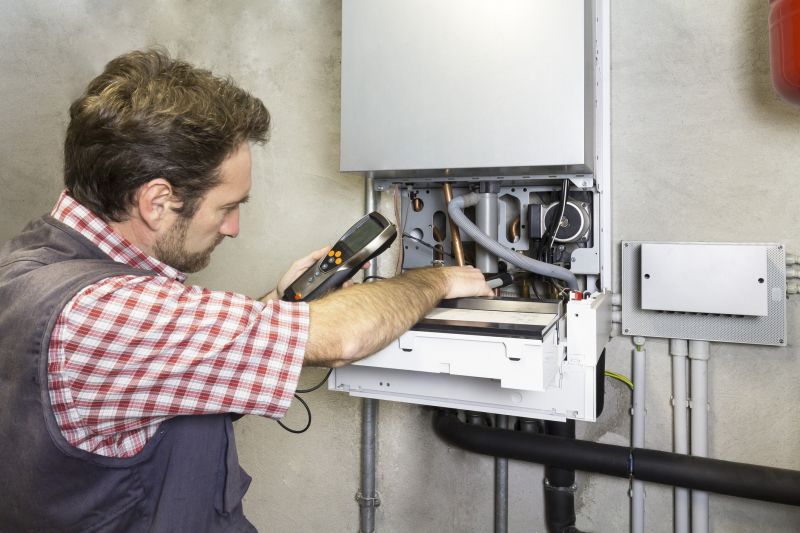
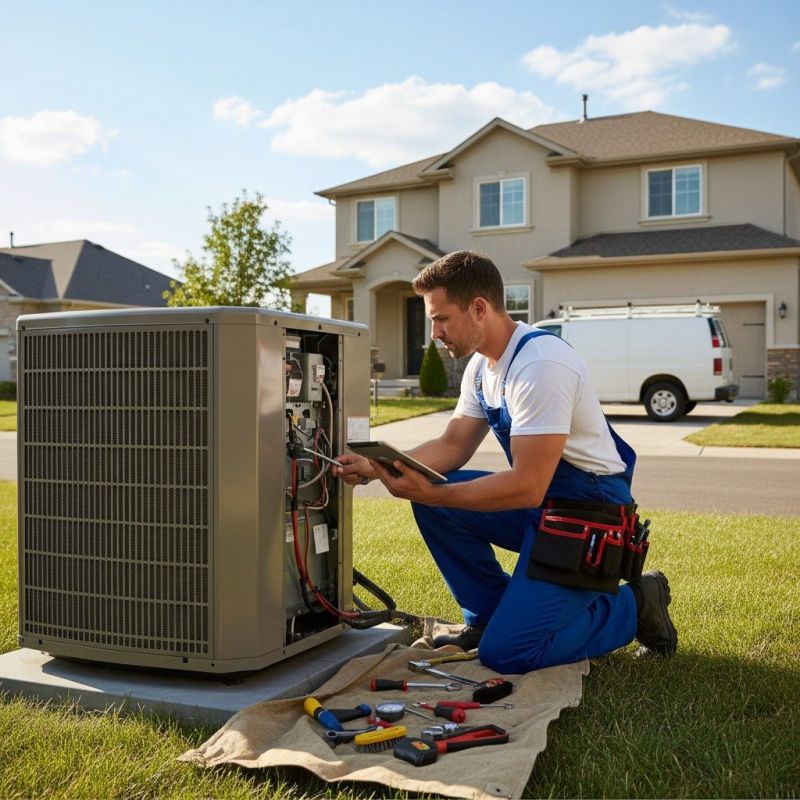
Use consistent comparison criteria to evaluate and define the scope, experience, and written expectations of local contractors for HVAC replacement.
- Define the scope of work - specify the extent of HVAC replacement, including system components and installation areas.
- Verify experience and expertise - ensure service providers have relevant background in HVAC system replacement projects.
- Determine material and equipment specifications - outline the types, brands, and quality standards for replacement units and parts.
- Establish project expectations in writing - document the scope, materials, and responsibilities to promote clarity and accountability.
- Compare local contractors - evaluate their experience, reputation, and service offerings to select suitable service providers.
When comparing contractors for an HVAC replacement, it’s important to evaluate their experience with similar projects. Homeowners should inquire about the types of systems they have installed in homes comparable to their own, including the size and complexity of those systems. Contractors with a history of successfully completing comparable replacements are more likely to understand the specific challenges involved and deliver a reliable outcome. Checking references or reviews related to past projects can provide insight into their familiarity with the scope and requirements of similar installations.
A clear, written scope of work is a critical factor in selecting a contractor. Homeowners should seek detailed documentation that outlines the specific tasks to be performed, the components involved, and the expected deliverables. A well-defined scope helps set expectations and ensures that both parties understand what will be included in the project. It also provides a basis for evaluating whether the contractor’s proposal aligns with the homeowner’s needs and prevents misunderstandings that could lead to disputes or incomplete work.
Verification basics are essential when comparing service providers. Homeowners should verify that contractors have appropriate experience handling HVAC replacements similar to their project. Confirming that the contractor has a thorough understanding of local building codes and industry standards is also important. While licensing and certification are not the focus here, asking about the contractor’s familiarity with verification procedures-such as system testing, quality checks, and documentation-can help ensure that the installation will meet necessary standards and function properly once completed.
Evaluating options without focusing on prices involves assessing the quality and comprehensiveness of each contractor’s proposal. Homeowners should compare the scope of work, the level of detail provided, and the contractor’s ability to communicate clearly. It’s helpful to ask how each service provider plans to approach the project and to look for consistency in their explanations. By focusing on the clarity of their proposals and the experience they bring, homeowners can make informed decisions based on the professionalism and thoroughness of each contractor, rather than just cost considerations.
Ask contractors to provide written scope details to ensure clear understanding and consistent expectations for the job.
- Experience Verification - How can I confirm that contractors have relevant experience with HVAC replacements?
- Scope Definition - What details should be clarified to ensure the contractor understands the full scope of the replacement project?
- Comparison Criteria - What factors should be used to compare different service providers beyond pricing?
- Work Scope in Writing - Why is it important to have the project scope and expectations documented in writing?
- Service Provider Credentials - How can I verify that local contractors have the necessary background to handle HVAC replacement jobs?
How can I compare HVAC contractors for replacement services? To compare contractors, review their experience, verify references, and assess their ability to define the scope of work clearly in writing.
What should I look for when choosing an HVAC replacement contractor? Focus on contractors who provide detailed written estimates, outline the work scope, and have a history of reliable service in the local area.
How important is it to verify a contractor’s experience? Verifying experience helps ensure the contractor is knowledgeable about HVAC replacement projects and can handle the specific requirements of the job.
What questions should I ask a potential HVAC contractor? Ask about their process for defining project scope, how they handle unexpected issues, and whether they provide a detailed written plan before starting work.
Why is it recommended to have the scope of work in writing? Having the scope documented helps set clear expectations, prevents misunderstandings, and provides a reference for the completed project.
How can I ensure a contractor is a reliable choice for HVAC replacement? Check their experience, request references, review their proposed scope of work, and confirm they can provide a comprehensive written plan.
This page has highlighted the importance of thoroughly comparing local contractors for HVAC replacement projects. Visitors have learned how to define the scope of work clearly, verify the experience of service providers, and ensure all details are outlined in writing to set proper expectations. Taking these steps can help facilitate a smooth process when selecting a contractor suited to the specific needs of the job.
Using the provided quote form allows for easy comparison of local service providers, helping to identify options that meet individual project requirements. Connecting with qualified local contractors through this method can streamline the process of finding experienced professionals ready to handle HVAC replacement tasks efficiently and reliably.